
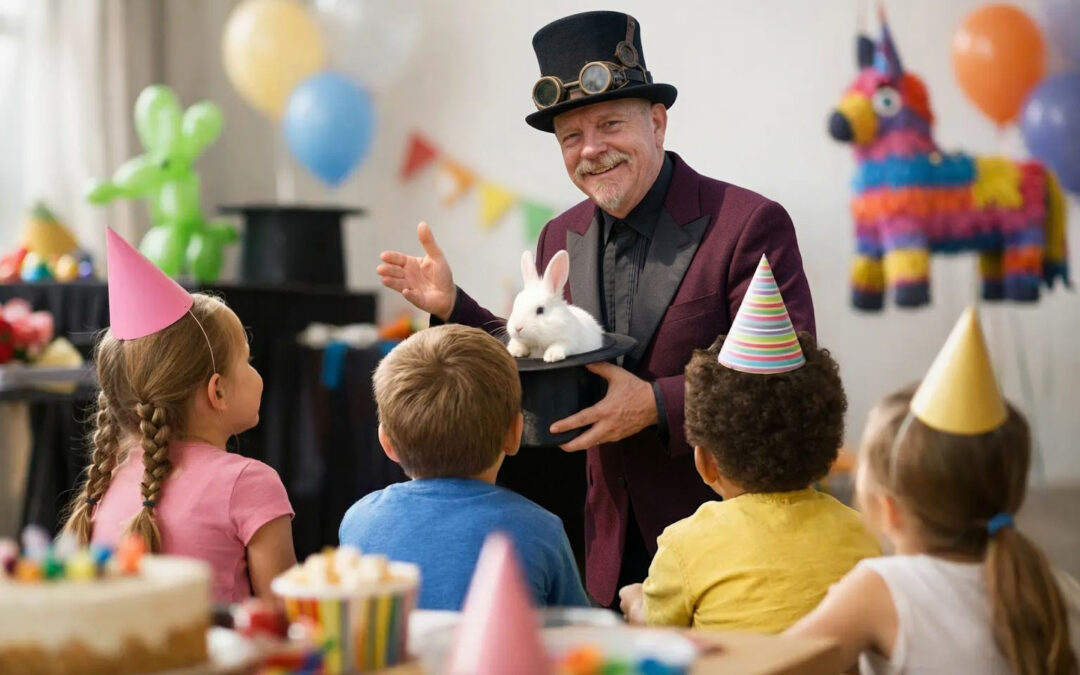
A 90-minute party can feel like 15 minutes when the kids are laughing, clapping, and racing to help with a magic trick. It can also feel like three hours if the entertainment runs too long, starts too late, or asks little ones to sit still past their limit. So, how long should kids entertainment last? For most parties, the sweet spot is usually 30 to 60 minutes of focused entertainment, but the real answer depends on the children’s ages, the size of the group, and what else is happening during the event.
That may sound like an annoying parent answer – it depends – but it is the honest one. The best entertainment length is not about filling time. It is about keeping energy high, attention strong, and the party easy for everyone, including the host.
How long should kids entertainment last for most parties?
For a typical birthday party, 45 minutes is often the magic number. It is long enough to feel like a real featured event and short enough that children stay engaged from start to finish. That is especially true for interactive entertainment, where kids are not just watching but helping, laughing, answering questions, and reacting as a group.
A 30-minute show can work beautifully for younger children, smaller home parties, or events with a packed schedule. A 60-minute experience can also be a great fit when the entertainment includes more than one element, such as a live animal appearance, extra audience participation, or a simple beginner magic lesson after the main show.
What usually does not work as well is stretching one activity past the point where kids are still excited. Parents sometimes think longer automatically means better value. In reality, a shorter show that leaves kids wanting more often gets a much better reaction than a long one that loses the room halfway through.
Age matters more than people think
If you are planning for preschoolers, elementary-aged kids, or a mixed family crowd, the same show length will not feel the same to every group.
Ages 3 to 5
This age group usually does best with 25 to 35 minutes of highly visual, fast-moving entertainment. Young children can be wonderful audience members, but they are also honest. If something is too slow, they will wiggle, wander, or start their own side quests near the cake table.
Shorter is usually smarter here. Big reactions, simple comedy, colorful props, and frequent participation matter more than a long runtime.
Ages 6 to 8
This is a golden age for interactive entertainment. Kids in this range can usually enjoy 35 to 45 minutes very comfortably, especially when the show keeps them involved. They are old enough to follow the structure, young enough to still believe something amazing might really be happening, and enthusiastic enough to make the room feel electric.
Ages 9 to 12
Older kids can often handle 45 to 60 minutes, but the content has to match their energy and sense of humor. They want to be impressed, not talked down to. If the entertainment includes comedy, smart audience interaction, or an extra experience like learning a trick themselves, the longer end of that range can work very well.
Mixed ages
Many Houston birthday parties are not neatly sorted by age. You might have a 6-year-old birthday child, a toddler sibling, a few tweens, and adults standing around the edges with phones out, hoping everyone stays happy. In those cases, 40 to 45 minutes is often the safest and strongest choice. It gives younger kids enough time to enjoy it and older kids enough substance to stay interested.
The type of entertainment changes the ideal length
Not all kids entertainment works on the same clock. A bounce house can run in the background for hours. A craft station may stay open for most of the event. But a live performance is different. It asks for focused attention, and that means timing matters.
A high-energy interactive magic show can often hold children’s attention longer than passive entertainment because the audience is part of the action. The kids are not just sitting there. They are shouting out answers, helping from the front, reacting to surprises, and waiting for their turn to be involved.
That said, even the most engaging performer benefits from stopping while the crowd is still fully with them. If there is an upgraded package with a dove and bunny or a premium option that adds a beginner magic lesson and take-home trick bags, then a longer total entertainment block can make sense because the experience naturally has stages. The main show lands the big laughs and amazement, and the add-ons extend the fun without making one single segment drag.
Party schedule can make or break the timing
A common mistake is treating entertainment like filler. It works much better as the anchor.
If the entertainment starts after kids have already spent an hour running wild on sugar and juice boxes, you may get a very different crowd than if it begins once guests arrive and settle in. For many home parties, placing the main show earlier in the event helps set the tone. It gives everyone a shared moment, creates structure, and often makes the rest of the party feel smoother.
If your party includes food, cake, presents, and free play, a 45-minute featured show usually fits well inside a two-hour event. If the party itself is shorter, then a 30-minute show may be exactly right. If the event is longer and includes multiple entertainment elements, the live performance can still stay in that 30 to 60 minute range while the rest of the fun happens around it.
In other words, the goal is not to make entertainment last as long as the party. The goal is to make it the part everyone remembers.
Bigger groups usually need tighter pacing
You might assume a bigger event needs a longer show. Sometimes it is the opposite.
At schools, churches, nonprofits, and community events, there can be more children, more distractions, and more movement in the room. In those settings, 30 to 45 minutes is often ideal for the main performance. It gives enough time to create a strong experience without fighting attention span battles that naturally come with larger groups.
For smaller birthday parties in a living room or backyard, 45 to 60 minutes can be more comfortable because the setting is more personal and the interaction can go deeper. Kids feel seen. The entertainer can play with the room more. The host gets a show that feels custom to the group.
Signs your entertainment is too long
Parents usually feel this before they can name it. The laughter starts spacing out. The side conversations begin. One child ends up under a chair for reasons known only to him. A toddler wanders into the middle of the action holding half a cupcake.
If the room starts drifting, the show has probably passed its peak. That does not mean the entertainment was bad. It often just means the timing was off for that age group or event setup.
The best kids entertainment ends with kids still excited, adults smiling, and the birthday child feeling like the star. That feeling is what guests remember.
So what should you book?
If you want the safest general answer, book 45 minutes of live, interactive entertainment for a standard kids party. It fits most elementary-age birthday groups, works well with a two-hour party schedule, and gives enough time for real laughs, strong participation, and memorable moments.
If the children are very young, lean closer to 30 minutes. If the event includes extras like live animals, a hands-on lesson, or an expanded experience, then 60 minutes can be a great choice. If you are hosting a large community event, ask for timing that matches the crowd size, setting, and flow of the day.
The smartest choice is not the longest package on paper. It is the one that fits your crowd so well that the whole party feels easier. That is why experienced entertainers think about age range, attention span, room setup, and event flow before they ever talk runtime.
When the timing is right, kids stay locked in, parents get to breathe, and the party feels less like chaos and more like a real celebration. That is the kind of entertainment people talk about on the ride home, and if you are planning your next event, that is exactly the sweet spot worth aiming for.