
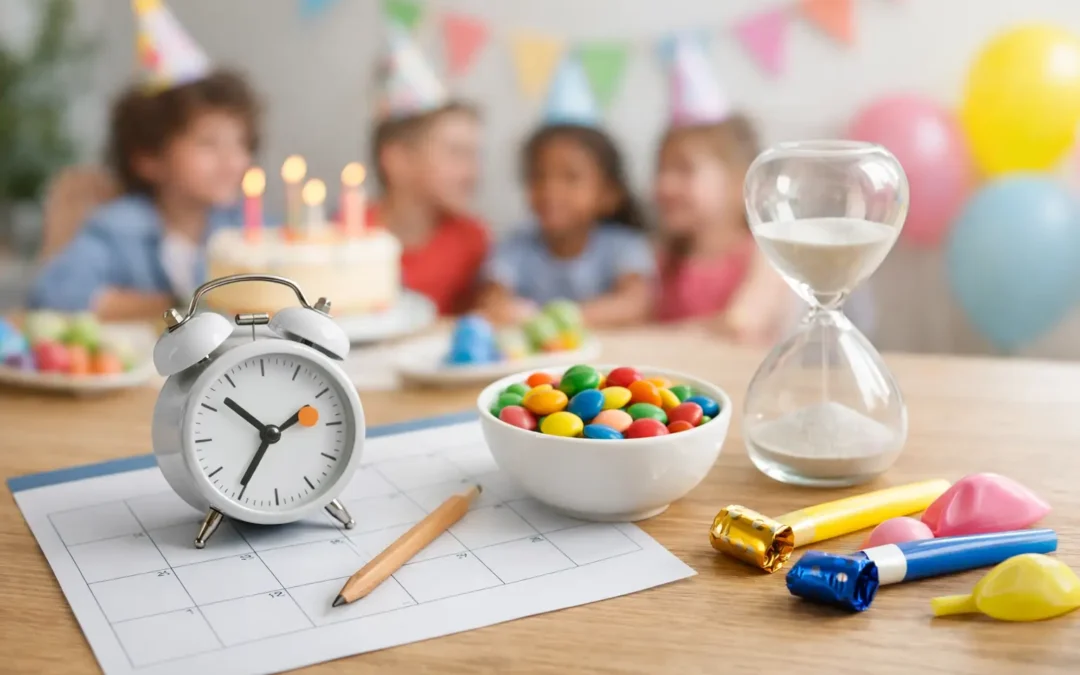
A children’s party can have the cutest decorations in Houston and the best cake in town, but if the timing is off, the room can turn into a chorus of “When do we open presents?” and “I’m hungry!” That is where a good party timing planning guide saves the day. The goal is not to schedule every minute like a school bell. It is to create a happy rhythm that gives kids something fun to anticipate, gives adults room to visit, and keeps the birthday child feeling like the star.
For most young children, a shorter party with a clear flow beats a long, packed event every time. Plan around attention spans, hunger, naps, weather, and the one thing no host wants to manage: a room full of excited kids with nothing to do.
Start With the Right Party Length
For preschoolers, 90 minutes to two hours is usually plenty. It feels like a big celebration to them without pushing too far into tired, overstimulated territory. A two-hour party also gives you enough time for arrivals, a featured activity or performer, food, cake, and a cheerful goodbye.
For elementary-age children, two to three hours can work well, especially if the event includes several activities, a craft, a backyard game, or a magic show. Older kids can handle more downtime, but they still need a plan. “Just let them play” may work for a small group at home. For a larger crowd, it can quickly become a race through the house wearing socks.
The best length depends on the guest list and setting. Ten five-year-olds in a living room need a tighter schedule than 15 nine-year-olds at a park. If siblings and grandparents are joining, build in a little flexibility, but keep the children’s energy level as your main guide.
Choose a Start Time That Works With Kids
Morning parties are a terrific choice for toddlers and preschoolers. A 10:00 a.m. start lets families arrive after breakfast, keeps the party ahead of nap time, and makes lunch easy to serve around noon. It can also be more comfortable during a Houston summer, especially for backyard celebrations.
An early afternoon party, often starting around 1:00 or 2:00 p.m., is a classic option for school-age kids. Guests have time for lunch before arriving, and you can serve snacks, cake, and drinks instead of planning a full meal. This time slot is especially handy if your party includes active games or entertainment that needs everyone alert and ready to participate.
Late-afternoon parties can be wonderful for older children, but use them thoughtfully. A 4:00 p.m. start may require dinner, and a party that runs too close to bedtime can make even the sweetest guests a little less sweet. If you choose an evening event, make the food plan clear on the invitation so parents know what to expect.
Build the Party Around One Big Moment
The easiest party schedules have a centerpiece. That might be an interactive magic show, a bounce house, a craft project, a character visit, or a team game. Once you know the main event, the rest of your schedule becomes much simpler.
Try not to put your big entertainment first thing after guests walk in. Early arrivals need a few minutes to settle, greet friends, and burn off that “I have been waiting all week for this!” energy. Give them a low-pressure activity such as sidewalk chalk, coloring sheets, bubbles, or free play while everyone arrives.
Then bring everyone together for the feature activity while excitement is high. An interactive performance works especially well in this spot because it gathers the group, creates laughter, and gives parents a chance to relax instead of trying to invent games on the fly. With a family-friendly magician such as Magic Lanny, kids can participate while adults enjoy the reactions right along with them.
Save cake and gifts for after the main event. Once presents appear, children naturally shift their focus. Once cake is served, some guests may need to leave. Let those moments be near the end so they do not interrupt the part of the party that needs the most attention.
A Two-Hour Birthday Party Timeline
Here is a practical party timing planning guide for a two-hour celebration. Think of it as a flexible map, not a rulebook written in frosting.
First 20 Minutes: Arrival and Easy Fun
Welcome guests and give them something simple to do immediately. This is also the best time for parents to chat, set down gifts, and help younger children feel comfortable. Avoid starting the main activity until most guests have arrived. Starting too early can leave latecomers missing the best part, while waiting too long can leave early arrivals restless.
Next 35 to 45 Minutes: Main Entertainment
This is your party’s spotlight moment. Gather the group, make sure everyone can see, and keep food and distracting toys out of the performance area. If you have hired entertainment, protect this time on the schedule rather than squeezing it between other activities. Kids engage more when they are not being called away to eat, pose for photos, or open a door for another arrival.
For younger children, the main activity may be closer to 30 minutes. For mixed ages or elementary school groups, 45 minutes can be a great fit. The key is participation. Children remember the moments when they got to laugh, help, shout a magic word, or see a friend become part of the fun.
Next 25 Minutes: Food or Snacks
After the excitement, give everyone a chance to reset. If your party crosses a meal time, serve a simple meal. If not, offer filling snacks that are easy for children to manage. Keep it practical: small portions, familiar foods, water available, and enough seating or picnic space for the group.
Do not make the food portion too elaborate unless the meal is the event. Children are often more interested in getting back to playing than sitting through a long lunch. A relaxed snack break is usually enough.
Final 25 to 30 Minutes: Cake, Gifts, and Goodbye
Bring out the cake while the group is still together. Take photos, sing loudly, and enjoy the moment. If opening presents is part of your family tradition, do it after cake and keep the pace moving. For larger parties, many parents choose to open gifts later with the birthday child. That is completely fine and can make the ending calmer.
As families begin to leave, have favors ready by the door. This gives children a happy final moment and makes departures feel organized instead of sudden. If you have a premium entertainment package with take-home magic tricks, that can double as a memorable favor kids will want to show off at home.
Leave Breathing Room Between Activities
A schedule needs transition time. Kids do not teleport from a backyard game to a seated show, and parents may need a few minutes to help with bathroom breaks, spilled juice, or a shy guest who needs a hand joining in.
Build in five-minute cushions without announcing them as formal breaks. A quick round of music, a few bubbles, or a simple “find your seat” game can move the group naturally from one activity to the next. This is especially useful in Houston, where an outdoor party may need a quick weather adjustment or a cool-down break indoors.
Also, be realistic about vendor arrival and setup. If you are hosting entertainment, ask how much clear space is needed and when setup should happen. Set the stage before guests arrive whenever possible. You want the birthday child greeting friends, not watching you rearrange furniture with one hand while holding balloons with the other.
Plan for the Ages in the Room
Mixed-age parties are common, especially when cousins and siblings are invited. The trick is not to make every activity perfect for every single age. Instead, make sure the centerpiece has something for everyone. Interactive comedy, visual surprises, and audience participation tend to land well across age groups because younger kids enjoy the silliness while older kids enjoy being in on the joke.
For very young guests, keep instructions short and expectations low. They may watch from a parent’s lap, wander for a minute, and return when something catches their eye. That is normal. For older children, give them a chance to help, compete lightly, or take on a special role.
Let the Party End While Everyone Is Still Having Fun
The smartest timing decision is often ending a little before the energy crashes. A party does not need to run until every child is exhausted to feel successful. In fact, a cheerful goodbye while kids are still smiling is far more memorable than one extra hour of chaos.
Put the end time on the invitation, prepare favors ahead of time, and do not feel guilty about wrapping up. A well-timed party leaves children talking about the laughs, the cake, and the amazing moment they got to be part of the show. That is the kind of magic families remember long after the balloons have floated away.