
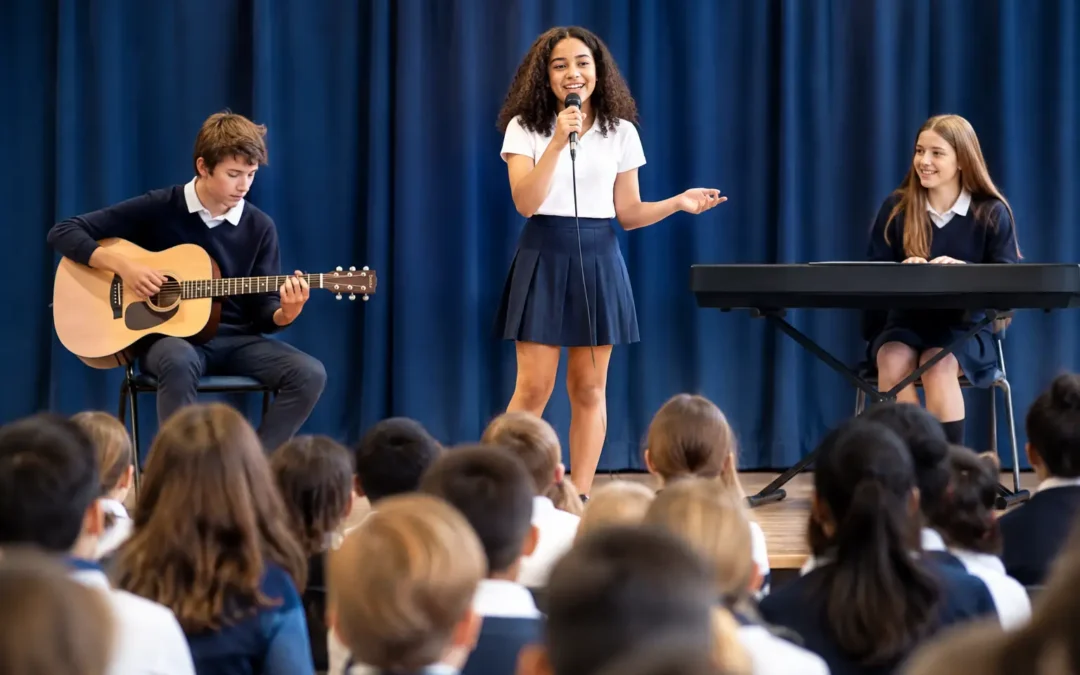
A great assembly has a tough job. It needs to hold the attention of a kindergartner in the front row, a too-cool middle schooler in the back, busy teachers watching the clock, and administrators who want the program to actually support the school day. The best top school assembly entertainment ideas do more than fill 45 minutes. They give students a shared moment to laugh about, talk about, and remember long after the chairs are stacked away.
For Houston-area schools, churches, PTOs, and community programs, the sweet spot is entertainment that feels exciting without turning into a logistical headache. Think big reactions, clear age-appropriate content, real student participation, and a performer or activity that respects the room.
What Makes School Assembly Entertainment Work?
Before picking an act, start with the feeling you want students to leave with. Do you need an energy boost before a holiday break? A reward for great attendance? A program that reinforces kindness, reading, science, or positive choices? The answer helps narrow the field quickly.
The right entertainment also has to fit the real-world details. A fantastic outdoor activity may fall apart in Houston heat or rain. A high-tech presentation may require more sound, lighting, and setup than the school can provide. A show designed for 25 children at a birthday party may not be built to engage 300 students in a cafeteria.
Look for an experience with a clear beginning, plenty of interaction, and a pace that keeps moving. Students should not have to sit quietly through a long explanation before anything fun happens. The fun should arrive early, then keep finding new ways to involve the room.
10 Top School Assembly Entertainment Ideas
1. Interactive Magic Shows
A live magic show is a natural assembly favorite because it turns students from spectators into part of the action. A volunteer helps make something appear, the audience shouts out a magic word, and suddenly even the children in the back are leaning forward to see what happens next.
The strongest school magic shows mix visual surprises, comedy, and participation rather than relying on complicated tricks that only adults understand. For younger elementary students, colorful props and big reactions work beautifully. Older groups tend to enjoy clever challenges, funny audience moments, and the chance to figure out how something might be done.
An experienced family entertainer can also shape a show around a school theme, celebration, or character message. Magic Lanny, for example, brings interactive comedy and audience participation to children’s events, with options that can include live animals and a beginner magic lesson for an extra hands-on memory.
2. Science Demonstrations With a Wow Factor
Science assemblies work when they feel like a show, not a chapter from a textbook. Think dramatic air pressure experiments, safe chemical color changes, giant bubbles, or a demonstration that sends a burst of excitement across the stage.
This choice is especially useful for STEM nights, testing-season motivation, and curriculum-connected events. Just be sure the presenter is used to school settings and has a plan for safety, visibility, cleanup, and age range. A cool experiment means little if half the room cannot see it.
3. School-Wide Game Show Challenges
A game-show-style assembly can turn a regular school day into a cheering section. Students might answer trivia, race through team challenges, solve puzzles, or represent their grade level in friendly competition.
The best version is not just about fast hands or loud voices. Include questions and challenges that let different kinds of students shine. Mix in teamwork, visual puzzles, school facts, and silly moments so the same few confident kids are not always called to the front.
4. Animal Education Programs
Meeting an animal up close can create instant excitement. Reptile, bird, farm-animal, or wildlife education programs can pair a memorable experience with lessons about habitats, responsibility, and conservation.
This idea takes more planning than some other options. Ask how animals are handled, whether students can interact with them, what space is needed, and what happens if a child has an allergy or fear. Schools should also confirm the provider’s credentials and animal-welfare practices. Done thoughtfully, an animal program can be a big hit. Done casually, it can create unnecessary stress for students and staff.
5. Cultural Music and Dance Performances
A high-energy cultural performance can bring history and geography to life in a way a screen never quite can. Drumming, dance, storytelling, and live instruments invite students to hear a different rhythm, see traditional movement, and learn the meaning behind a performance.
The key is choosing presenters who offer context with the entertainment. A short explanation of where an art form comes from, what it represents, and how students can respectfully engage makes the program feel meaningful rather than decorative.
6. Improv Comedy With Student Volunteers
Improv is fast, funny, and wonderfully unpredictable. Professional performers can build short scenes from student suggestions, create funny songs, or invite volunteers into simple, low-pressure games.
It works particularly well for middle and high school audiences that want something current and quick-moving. Set clear expectations with the performers ahead of time: school-appropriate humor only, no embarrassing students, and no jokes that single out a child for a laugh. The goal is shared silliness, not putting someone on the spot.
7. A Read-Aloud Celebration
For literacy events, a dynamic author visit, storyteller, or read-aloud performance can make books feel larger than life. Voices, music, projected illustrations, props, and student call-backs can transform a story into a full-room adventure.
This format is strongest when it includes a follow-up. Teachers might use the featured book in class, create a hallway display, or invite students to write their own alternate ending. That turns one entertaining morning into momentum for reading.
8. Talent Show Spotlights
Sometimes the entertainment is already in the building. A carefully organized talent show gives students a chance to perform music, dance, comedy, art demonstrations, or other skills for their peers.
This option can build confidence and school pride, but it needs structure. Hold auditions, set time limits, provide a rehearsal, and have an adult emcee keep transitions moving. A talent show feels celebratory when it is well-paced. Without a plan, it can run long and lose the audience before the final act.
9. Percussion and Rhythm Workshops
A percussion assembly gives students permission to make some noise together, which is exactly why it can be so memorable. A performer can use buckets, hand drums, body percussion, or everyday objects to teach rhythm and lead the group in a shared piece of music.
It is a great option when you want every student involved from their seat. Consider the room and schedule, though. Rhythm programs can be loud, so a gym or auditorium is usually a better fit than a small cafeteria next to testing rooms.
10. Motivational Entertainment With a Real Message
Some assemblies are designed around themes such as kindness, anti-bullying, attendance, leadership, or making healthy choices. The best presenters do not stand onstage and lecture students about good behavior. They use humor, stories, music, magic, or challenges to earn attention first, then weave the message through the fun.
Ask a potential presenter exactly how the theme appears in the program. If the message is tacked on during the final two minutes, students may remember the jokes but not the purpose. When it is part of the experience from the start, the lesson has a better chance of sticking.
How to Choose the Right Idea for Your Students
Start with the age range. An assembly for pre-K through second grade needs visual action, repetition, and short segments. Third through fifth graders enjoy more complex participation and challenges. Middle school students respond well to humor that respects their growing independence. If your school combines grades, choose an act with several layers so younger children can enjoy the spectacle while older students catch the clever parts.
Next, ask about practical details before you book: performance length, setup time, sound requirements, space needs, cost, insurance, background-check policies, and what the school needs to supply. A dependable entertainer will answer clearly and help you plan around arrival, dismissal, and lunch schedules.
Finally, favor participation over passive watching. A student does not have to be called to the stage to feel included. Call-and-response, group rhythm, voting, cheering, and shared surprises let the entire room become part of the program.
The right assembly is not necessarily the loudest or most complicated one. It is the experience that makes your students feel seen, brings staff a little joy too, and sends everyone back to class with a story worth telling at home.